Greeny Care Compostable Injection Tray
Product Overview
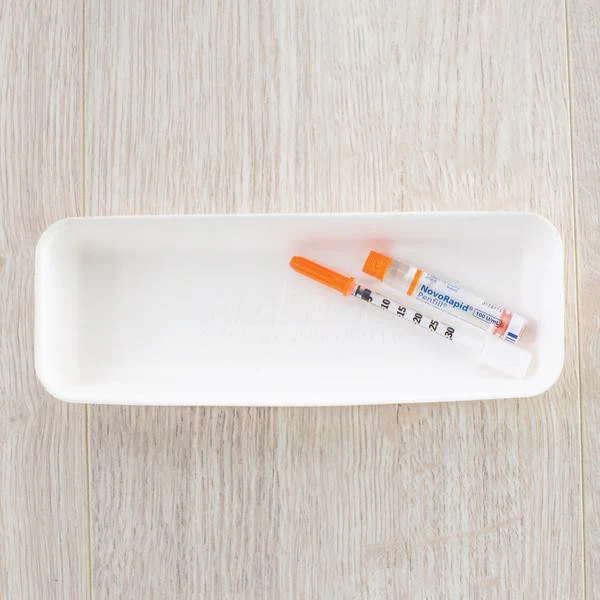
The Haines GreenyCare Compostable Injection Tray is a purpose-built, single-use medical tray crafted from PFAS-free, medical-grade sugarcane bagasse — a renewable, plant-based material that offers a responsible alternative to conventional petro-plastic holloware. Designed with Australian healthcare facilities in mind, these trays help reduce reliance on fast-moving plastic consumables without compromising on clinical performance or infection control standards.
Unlike many conventional trays and dishes that contain PFAS (per- and poly-fluoroalkyl substances) — chemicals known to persist in the environment and raise growing health concerns — Haines GreenyCare trays are entirely free from these substances, meaning they can meet compostable certification requirements. Combining durability, water resistance, and a compostable lifecycle of just 90 days, these trays set a new benchmark in environmentally considerate healthcare consumables across Australia.
Features & Benefits
Who Is This Product Suitable For?
ALWAYS READ THE LABEL AND FOLLOW THE DIRECTIONS FOR USE
GreenyCare Compostable Medical Trays can be composted or placed in general waste unless heavily soiled or used in a high infection risk area. Certified compostable to stringent European standards, they naturally break down, reducing waste and supporting a healthier ecosystem.
Frequently Asked Questions
Product Overview
The Haines GreenyCare Compostable Injection Tray is a purpose-built, single-use medical tray crafted from PFAS-free, medical-grade sugarcane bagasse — a renewable, plant-based material that offers a responsible alternative to conventional petro-plastic holloware. Designed with Australian healthcare facilities in mind, these trays help reduce reliance on fast-moving plastic consumables without compromising on clinical performance or infection control standards.
Unlike many conventional trays and dishes that contain PFAS (per- and poly-fluoroalkyl substances) — chemicals known to persist in the environment and raise growing health concerns — Haines GreenyCare trays are entirely free from these substances, meaning they can meet compostable certification requirements. Combining durability, water resistance, and a compostable lifecycle of just 90 days, these trays set a new benchmark in environmentally considerate healthcare consumables across Australia.
Features & Benefits
Who Is This Product Suitable For?
ALWAYS READ THE LABEL AND FOLLOW THE DIRECTIONS FOR USE
GreenyCare Compostable Medical Trays can be composted or placed in general waste unless heavily soiled or used in a high infection risk area. Certified compostable to stringent European standards, they naturally break down, reducing waste and supporting a healthier ecosystem.
Frequently Asked Questions
Description
Product Overview
The Haines GreenyCare Compostable Injection Tray is a purpose-built, single-use medical tray crafted from PFAS-free, medical-grade sugarcane bagasse — a renewable, plant-based material that offers a responsible alternative to conventional petro-plastic holloware. Designed with Australian healthcare facilities in mind, these trays help reduce reliance on fast-moving plastic consumables without compromising on clinical performance or infection control standards.
Unlike many conventional trays and dishes that contain PFAS (per- and poly-fluoroalkyl substances) — chemicals known to persist in the environment and raise growing health concerns — Haines GreenyCare trays are entirely free from these substances, meaning they can meet compostable certification requirements. Combining durability, water resistance, and a compostable lifecycle of just 90 days, these trays set a new benchmark in environmentally considerate healthcare consumables across Australia.
Features & Benefits
Who Is This Product Suitable For?
ALWAYS READ THE LABEL AND FOLLOW THE DIRECTIONS FOR USE
GreenyCare Compostable Medical Trays can be composted or placed in general waste unless heavily soiled or used in a high infection risk area. Certified compostable to stringent European standards, they naturally break down, reducing waste and supporting a healthier ecosystem.